
 WhatsApp Us

Northern Lights in November vs March: Which Is the Best Time to Go? (2026–27)
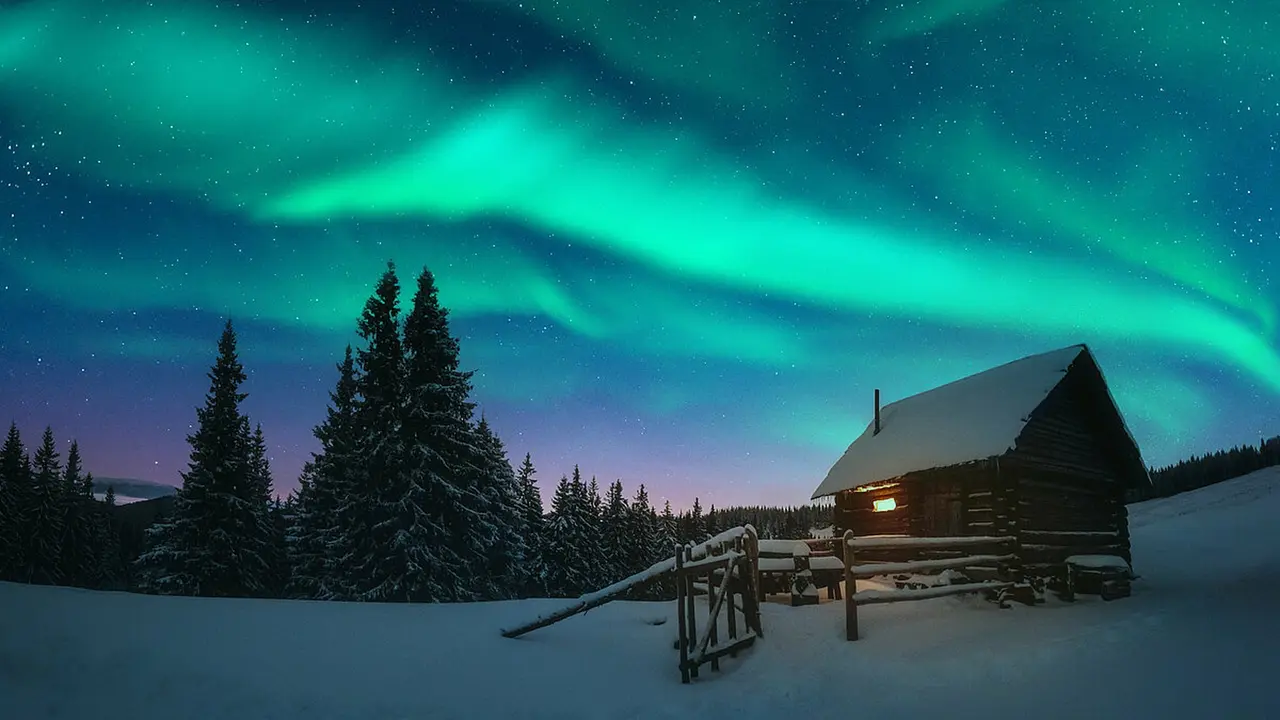
November or March? It is the question we hear most often once someone has decided to chase the aurora, and the honest answer is that both are excellent times to see the Northern Lights — they simply offer two different kinds of Arctic trip. One leans festive and early-winter; the other leans deep-winter and adventurous. This guide walks through aurora odds, snow, daylight, temperature, activities and price so you can pick the departure that fits you. We compare our two real Lapland tours throughout: the November Chasing the Lights – Scandinavia Edition and the March Ice Breaker Special.
Quick answer: choose November if you want the festive, Santa-and-Christmas magic (ideal for families with children) at a slightly lower price; choose March if you want the fullest, snowiest Arctic landscape, longer daylight for activities, and the one-of-a-kind polar icebreaker cruise. First-timers are thrilled either way — both run 8 days across Finland, Sweden and Norway with 4 dedicated aurora hunts.
Aurora odds: is November or March better for seeing the lights?
Here is the reassuring truth: the Northern Lights are active all winter, and both November and March fall squarely inside the prime viewing season. The aurora itself does not "prefer" one of these months — what changes your odds is dark skies and clear weather, and both departures are designed around that.
Why both months work: by November the nights are already long and dark enough for strong displays, and March still has plenty of darkness after sunset while the weather is often more settled.
The March equinox edge: the weeks around the spring equinox (late March) are frequently among the most geomagnetically active of the whole season — one reason many aurora photographers favour March.
Why we run 4 hunts either way: no single night is ever guaranteed, so both tours include 4 Northern Lights hunts across three countries (Rovaniemi, Kiruna and two in Tromsø). Multiple attempts in different locations are what take your chances from "maybe" to "very likely".
Snow, daylight and temperature: how the two months feel different
This is where November and March genuinely diverge, and it matters more to your experience than the aurora statistics do.
Snow & landscape: November is early winter — snow is building up and the scenery is beautiful but not yet at its deepest. March is late, full winter, with the thickest snow, frozen lakes and the classic all-white Arctic you picture. That deep freeze is exactly what makes the March icebreaker cruise and ice activities possible.
Daylight: November days are very short, which means long dark evenings for aurora watching but less daylight for sightseeing. By March the days have lengthened considerably, so you get more daytime light for husky rides and city tours and still-dark nights for the lights — often called the best of both worlds.
Temperature: both are cold and both need proper thermal layering. March days can feel brighter and a touch milder in the sun, though aurora-hunting nights remain very cold in both months.
What's special about the November trip
The November Scandinavia Edition leans into early-winter charm and is especially loved by families:
Santa Claus Village & the Arctic Circle — in the run-up to Christmas this is at its most magical, and crossing the Arctic Circle is a genuine thrill for kids and adults alike.
Ranua Wildlife Zoo — see polar bears and other Arctic wildlife, a lovely daytime highlight unique to this departure.
Husky safari, reindeer sleigh ride, Abisko Sky Station and the Tromsø fjord & whale cruise, plus the Glass Igloo and ICEHOTEL stays.
A slightly lower price (see below) and timing before the deep-winter peak.
What's special about the March trip
The March Ice Breaker Special is built for travellers who want the fullest, most adventurous Arctic winter:
The polar icebreaker cruise — a 3-hour voyage aboard a real icebreaker ship crunching through frozen sea. This is the headline experience you can only do in deep winter, and it is the single biggest reason to choose March.
Deep-winter landscapes — maximum snow and fully frozen scenery for that postcard-perfect Lapland.
The same marquee experiences as November — 4 aurora hunts, husky safari, reindeer sleigh ride, Glass Igloo and ICEHOTEL stays, Santa Claus Village and the Tromsø cruise.
Travel insurance and an e-SIM are already included in the package — a small but real saving versus the November trip, where you arrange your own.
Price difference: what you pay and what you get
The two departures are priced per person on twin-sharing:
November — ₹2,59,000 per person (does not include travel insurance or e-SIM).
March — ₹2,99,000 per person (includes travel insurance, e-SIM and the icebreaker cruise).
So March costs about ₹40,000 more, but part of that gap is explained by the included insurance, e-SIM and the exclusive icebreaker experience. Remember that the package price is only part of your total spend — for the full landed cost from India including flights, visa and taxes, read our detailed Northern Lights trip cost breakdown.
So which should you book?
Travelling with children, or want the festive Christmas atmosphere? Choose November — Santa Claus Village and Ranua Zoo make it magical for families.
Want the icebreaker cruise, the deepest snow and the most daylight for activities? Choose March.
Photographer chasing peak aurora activity? March's equinox weeks are a strong draw, though November delivers plenty of dark-sky opportunity too.
First-timer who just wants the best possible chance of seeing the lights? Either works — both give you 4 hunts across three countries. Pick based on the experiences above, not on aurora worries.
Ready to decide?
Whichever month you lean towards, both trips are built for Indian travellers (including vegetarian and Jain diets — see our Lapland food guide). Explore the November Scandinavia Edition or the March Ice Breaker Special for live dates and full itineraries, and talk to us if you'd like help choosing the right departure for your group.
Frequently Asked Questions
Is November or March better for seeing the Northern Lights?
Both are prime aurora season and both our departures include 4 hunts across three countries, so your odds are strong either way. March's weeks around the spring equinox are often especially active, while November already has long, dark nights. The bigger difference is the experience: November is festive and family-friendly; March has deeper snow, more daylight for activities, and the icebreaker cruise.
What's the difference between the November and March Lapland tours?
Both run 8 days across Finland, Sweden and Norway with 4 aurora hunts, husky safari, Glass Igloo and ICEHOTEL stays. November adds Santa Claus Village (at its Christmas best) and Ranua Wildlife Zoo. March adds the exclusive 3-hour polar icebreaker cruise, the deepest winter landscapes, and includes travel insurance and an e-SIM in the package.
Which Northern Lights trip is better for families with children?
November, for most families — the pre-Christmas Santa Claus Village and Ranua Zoo (polar bears and Arctic wildlife) are especially magical for kids, and the price is slightly lower.
How much do the November and March Northern Lights tours cost?
The November Scandinavia Edition is ₹2,59,000 per person and the March Ice Breaker Special is ₹2,99,000 per person (twin-sharing). March includes travel insurance, an e-SIM and the icebreaker cruise. Both exclude flights, visa and taxes — see our full cost breakdown for the all-in figure from India.
Made it to the end?