
 WhatsApp Us

Japan in Winter 2026-27: A Snow Season Guide for Indian Travellers
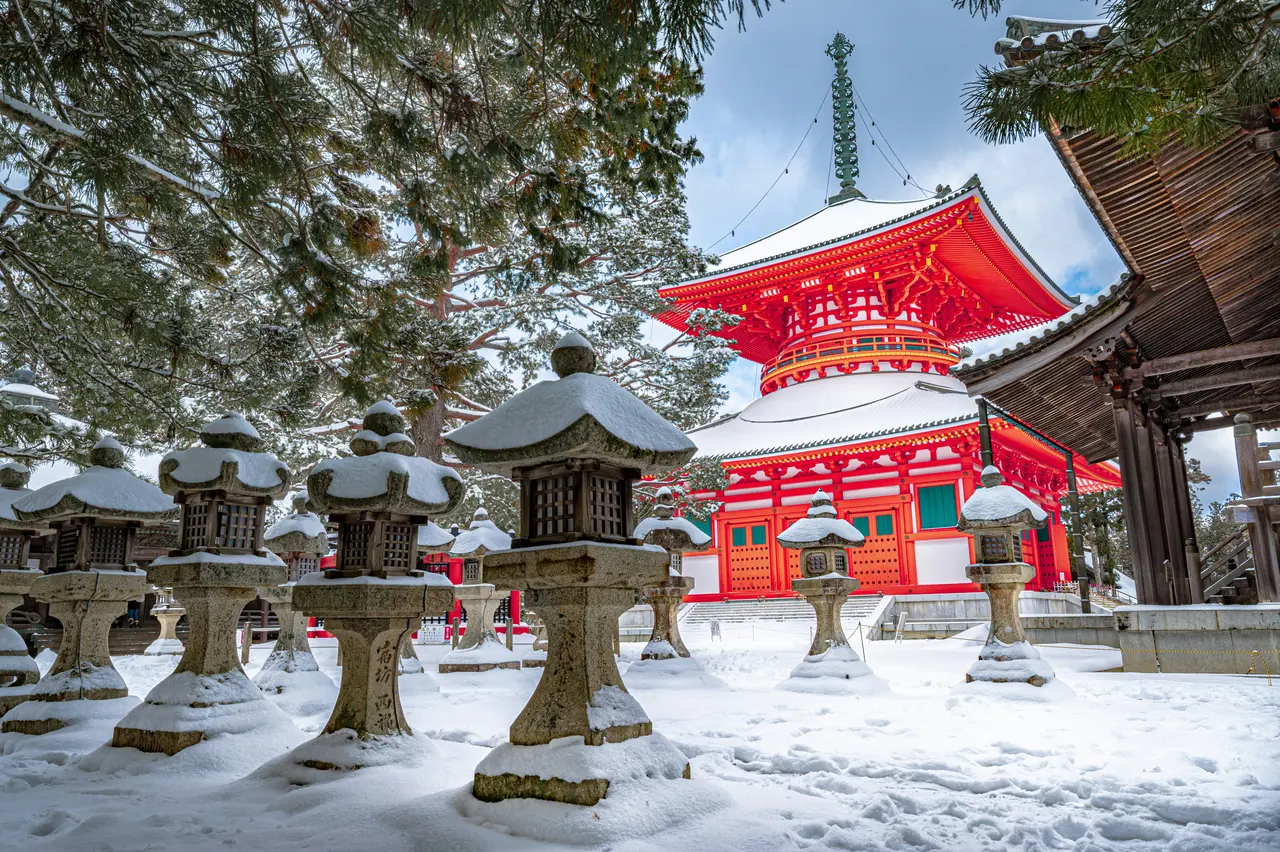
Cherry blossoms get all the attention, but ask anyone who's been and they'll tell you: Japan in winter is just as magical, far less crowded, and often better value. Picture thatched farmhouses buried under deep snow, monkeys soaking in steaming hot springs, cities glittering with illuminations, and Mount Fuji standing crisp and clear against a bright blue sky. This guide to Japan in winter covers when to go for snow, where to see it, the festive Christmas and New Year season, and exactly how Indian travellers should plan and budget the trip.
Short version: the snow season runs roughly mid-December to late February, with January and early February the snowiest. The big cities stay cold but dry, so for real snow you head to Hokkaido, the Japan Alps and Nagano. It's cheaper and quieter than spring — except the festive Christmas-to-New-Year peak and ski season. Here's how to plan it.
Why visit Japan in winter?
Winter is Japan at its most atmospheric and, for Indian travellers, its most refreshing — most of us simply never get cold, snowy weather at home, so the whole experience feels special. Crowds thin out after the autumn leaves, hotels and flights ease off (outside the festive peak), and the air turns clear and sharp. It's the best season for guaranteed snow, for soaking in an outdoor onsen (hot spring) while flakes fall around you, and for the single clearest views of Mount Fuji all year.
When to go for snow
Japan is long, so winter looks very different depending on where you are:
Mid-December to late February is the core snow season, with January and early February usually the snowiest and most reliable.
Late December to early January is the festive window — Christmas illuminations followed by Japan's biggest holiday, New Year. Beautiful, but the busiest and priciest stretch of winter.
Early February brings Hokkaido's spectacular Sapporo Snow Festival, with giant snow and ice sculptures.
One key thing to understand: the famous cities on the Golden Route — Tokyo, Kyoto and Osaka — are cold but mostly dry and sunny in winter, so you won't necessarily be walking through snow there. For deep, reliable snow you add a leg to the north or the mountains.
Where to go in winter
The Golden Route (Tokyo, Kyoto, Osaka)
Crisp, clear and comfortable to sightsee — fewer tourists, no summer heat. Tokyo dazzles with winter illuminations, Kyoto's temples look serene under the occasional dusting of snow, and Osaka's food scene is the perfect warm-up. A great first-timer base even in winter.
Hokkaido
Japan's snow country. Sapporo hosts the Snow Festival in February, Niseko is a world-famous ski and powder destination, and the whole island delivers the deepest, most dependable snow in the country.
The Japan Alps — Takayama and Shirakawa-go
The UNESCO village of Shirakawa-go, with its steep thatched gassho-zukuri farmhouses under thick snow (and magical evening light-ups on select winter dates), is the picture-perfect Japanese winter. Pair it with the old streets of Takayama.
Nagano — the snow monkeys
At Jigokudani, wild macaques bathe in a natural hot spring surrounded by snow — one of the most charming wildlife sights anywhere, and an easy addition from Tokyo.
Hakone and Mount Fuji
An easy escape from Tokyo for onsen and the clearest Mount Fuji views of the year. Winter's dry air makes the snow-capped peak stand out sharply — do try an open-air hot spring with a mountain view.
Skiing and snowboarding
Japan's powder is legendary. Niseko (Hokkaido) and Hakuba (near Nagano) are the headline resorts, but there are gentle slopes for beginners and families too — a bucket-list experience for most Indian travellers.
Christmas and New Year in Japan
This is a lovely time to visit, with a twist that surprises most first-timers. In Japan, Christmas is more of a romantic, festive-lights occasion than a family holiday — expect dazzling illuminations and Christmas markets in every major city. New Year (Oshogatsu), on the other hand, is the biggest holiday of the year: temples ring their bells on New Year's Eve, and locals make their first shrine visit of the year (hatsumode) in the first days of January. It's a beautiful cultural window — just book early, because it's peak season for domestic travel too.
How Indian travellers should plan a winter trip
Decide snow vs cities first. If seeing and playing in snow is the goal, build in a northern or mountain leg (Hokkaido, Shirakawa-go, Nagano) rather than assuming Tokyo and Kyoto will be white.
Sort your visa in good time. Indians need a visa for Japan — there's no visa-free entry — so apply at least 3-4 weeks before you fly. See our Japan visa requirements page for the latest rules, and our full Japan travel guide for Indians for the complete planning picture.
Book the festive window early. Late December to early January (and ski resorts in peak season) fill up and get pricey — lock flights and hotels months ahead.
Plan for short days. Winter daylight is shorter, so start sightseeing early and keep each day a little lighter than you would in summer.
What it costs from India
Good news: outside the festive peak, winter is one of the better-value times to visit Japan. As a planning guide, a well-organised 7-8 day winter trip usually works out to ₹1,50,000-2,50,000 per person, including return flights, hotels, rail or IC-card travel, food and sightseeing. The Christmas-to-New-Year dates and ski resorts sit at the higher end and sell out early, while late January and February can be noticeably cheaper. The biggest lever you control is booking ahead. For the full cost breakdown in Rupees, see our main Japan travel guide for Indians.
Weather and what to pack
Cities: Tokyo, Kyoto and Osaka sit around 2-12 degrees Celsius by day, dipping near freezing at night, but are usually dry and sunny.
Snow regions: Hokkaido and the Japan Alps regularly fall below zero, with heavy snow.
Pack layers: thermal innerwear, warm tops, a windproof and waterproof coat, gloves, a warm cap, a scarf, and waterproof shoes with grip. Most Indian cities rarely get this cold, so buy or borrow proper winter gear before you fly.
Onsen tip: hot springs are enjoyed without clothing and tattoos can be restricted at some — a quick read-up beforehand saves any awkwardness.
A quick word on food
Winter is the season for Japan's most comforting food — steaming bowls of ramen, nabe hot pots and roasted sweet potatoes from street stalls. Vegetarian and Jain travellers should plan food as on any Japan trip (watch for fish stock in broths, lean on temple vegetarian cuisine and Indian restaurants); our main Japan guide for Indians covers this in detail. For a city-by-city sense of where to go, see the best places to visit in Japan.
Plan your winter trip
Winter logistics — chasing snow, timing the festive events, booking onsen stays — are much easier on a trip that's already routed for the season. Our group tour Japan Winter Wonderland is a Christmas and New Year itinerary through Tokyo, Hakone, Kyoto and Osaka, built around winter illuminations, an onsen ryokan night under Mount Fuji, and Japan's spectacular New Year traditions — all without you having to piece it together yourself.
Prefer your own dates and pace? You can customise a Japan trip around snow, skiing or the festive season, or browse all our group tours to compare options. And if spring is more your thing, read our guide to cherry blossom season in Japan instead.
Final word
Japan in winter is the trip that catches Indian travellers by surprise — fewer crowds, better value, and a kind of snowy, festive, hot-spring magic you just don't get at home. Decide early whether you're chasing snow or soaking up the festive cities, book the busy festive window well ahead, and pack properly for the cold. Do that, and you'll come home with memories of powder, onsen steam and a crystal-clear Mount Fuji. When you're ready to plan it, talk to our Japan travel experts — festive-season trips are among the first to fill, so the earlier we start, the better.
Frequently Asked Questions
When is the best time to visit Japan in winter?
For reliable snow, the sweet spot is mid-December to late February, with January and early February usually the snowiest. If you want the festive illuminations, Christmas markets and New Year shrine visits, aim for late December to the first week of January. Hokkaido's famous Sapporo Snow Festival falls in early February.
Does it snow in Japan, and where can Indians see snow?
Yes — Japan gets some of the heaviest snowfall in the world. The big cities on the Golden Route (Tokyo, Kyoto, Osaka) stay mostly cold and dry, so for guaranteed deep snow head to Hokkaido (Sapporo, Niseko), the Japan Alps around Takayama and Shirakawa-go, Nagano for the snow monkeys, or the ski resorts of Hakuba and Niseko.
How cold does Japan get in winter?
Tokyo, Kyoto and Osaka sit around 2-12 degrees Celsius in the day and can drop near freezing at night, but are usually dry and sunny. Snow regions like Hokkaido and the Japan Alps regularly fall below zero. Pack like you would for a European winter — proper layers, a warm coat, gloves and a cap.
Is winter a cheaper time for Indians to visit Japan?
Outside the Christmas and New Year peak, winter is one of the better-value seasons — cheaper and far less crowded than cherry blossom in spring. The exceptions are the festive last week of December to early January, and ski resorts in peak season, which get busy and pricey. Book those windows well ahead.
What should Indian travellers pack for Japan in winter?
Think layers: thermal innerwear, a couple of warm tops, a windproof and waterproof winter coat, gloves, a warm cap, a scarf, and comfortable waterproof shoes with grip for snow and ice. Most Indian cities rarely get this cold, so buy or borrow proper winter gear before you fly rather than relying on what you own.
Can you see Mount Fuji in winter?
Winter is actually the best season to see Mount Fuji — the cold, dry air means clear skies and the classic snow-capped peak. Viewpoints around the Fuji Five Lakes and Hakone, both easy from Tokyo, give you the postcard view on a bright winter day.
Made it to the end?