
 WhatsApp Us

Best Places to Visit in Japan (2027): A Guide for Indian Travellers
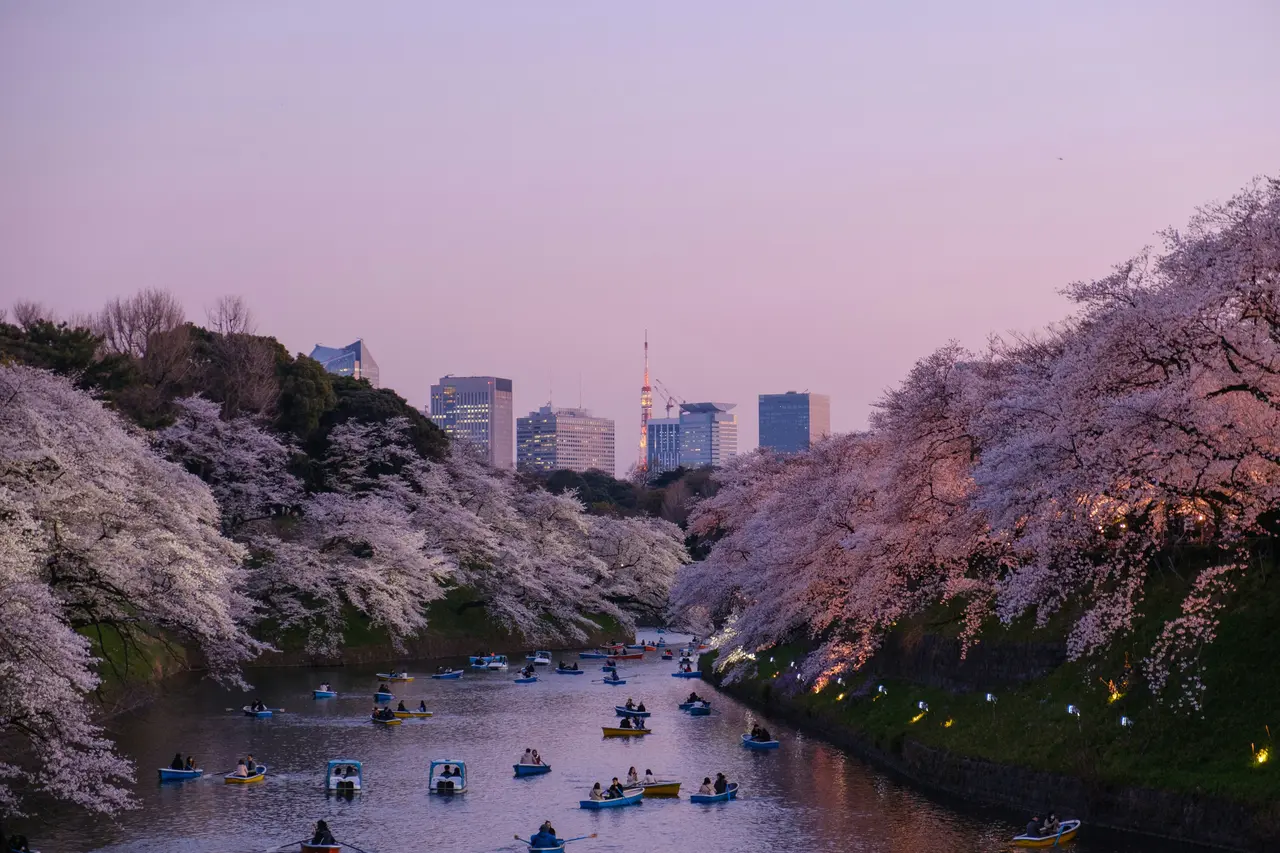
Japan packs more variety into one country than almost anywhere else — neon mega-cities, snow-capped mountains, thousand-year-old temples, beaches, hot springs and some of the best food on the planet. For Indian travellers planning a first (or second) trip, the hard part isn't finding things to do; it's choosing. This guide to the best places to visit in Japan walks you through the headline destinations, what makes each special, the best season for each, and — crucially — how to string them together so you're not spending your whole holiday on trains.
Short version: a first trip should follow the Golden Route — Tokyo, Mount Fuji/Hakone, Kyoto, Nara and Osaka — which covers Japan's biggest hits in about a week. With 10–12 days you can add Hiroshima and Miyajima, or swap in Hokkaido for snow. Here's the full rundown so you can build the trip around what you actually want to see.
1. Tokyo — the dazzling capital
Almost every Japan trip starts in Tokyo, and it's the perfect introduction — a city where glowing neon, centuries-old shrines and jaw-dropping food sit side by side. Spend 2–3 nights here and you can hit the big ones: the crossing and buzz of Shibuya, the nightlife and skyscrapers of Shinjuku, the old-Tokyo temples of Asakusa (Senso-ji), the calm of the Meiji Shrine, the electronics and anime of Akihabara, and the trend-setting streets of Harajuku and Ginza. Families should factor in a day for Tokyo Disneyland or DisneySea. It's also Japan's best city for Indian food if you want a familiar meal.
2. Mount Fuji, Hakone and the Fuji Five Lakes
No Japan trip feels complete without seeing Mount Fuji, the country's sacred, perfectly symmetrical icon. The easiest way is a day trip or overnight from Tokyo to Hakone — a hot-spring (onsen) town with lake cruises, ropeways and classic Fuji views — or to the Fuji Five Lakes (Kawaguchiko), where the Chureito Pagoda gives you that postcard shot of blossoms or autumn leaves framing the mountain. Clear mornings in autumn and winter offer the best odds of actually seeing the peak, which often hides behind cloud.
3. Kyoto — the cultural heart
If Tokyo is Japan's future, Kyoto is its soul. The former imperial capital is wall-to-wall with golden temples, zen gardens and tradition: the thousands of red torii gates winding up the hill at Fushimi Inari, the gold-leaf Kinkaku-ji pavilion, the towering Arashiyama bamboo grove, and the lantern-lit Gion geisha district. Kyoto is spectacular in cherry blossom and autumn seasons — if sakura is your dream, read our full guide to cherry blossom season in Japan. Give Kyoto at least 2 nights; it rewards a slow pace.
4. Nara — deer, giant Buddha and easy day trip
Just 45 minutes from Kyoto or Osaka, Nara is one of Japan's loveliest half-day or full-day trips. Its deer park is home to hundreds of free-roaming, bowing deer you can feed (a huge hit with kids), and Todai-ji temple houses a colossal bronze Great Buddha. It slots neatly between Kyoto and Osaka without needing its own hotel night.
5. Osaka — Japan's food-loving city
Osaka is the fun, down-to-earth counterweight to Kyoto's refinement — a city that lives to eat. Wander the neon canyon of Dotonbori for takoyaki and okonomiyaki (vegetarians, check the fillings), climb Osaka Castle, and if you're travelling with kids or thrill-seekers, don't miss Universal Studios Japan. Osaka also makes a great final stop and fly-out point, since its Kansai airport saves you backtracking to Tokyo.
6. Hiroshima and Miyajima — history and the floating torii
With a few extra days, head west to Hiroshima, home to the moving Peace Memorial Park and Museum and the A-Bomb Dome — a powerful, humbling stop. A short ferry away, the island of Miyajima is famous for the "floating" torii gate of Itsukushima Shrine, which appears to stand on the sea at high tide. It's a comfortable bullet-train ride from Osaka or Kyoto and well worth a day or an overnight.
7. Hokkaido — snow, skiing and seafood
For a completely different side of Japan, fly north to Hokkaido. In winter it's the country's snow capital — superb powder skiing in Niseko, the dazzling Sapporo Snow Festival, steaming onsen towns and some of Japan's best seafood and ramen. For many Indian families this is the dream "first real snow" trip. Our Japan Winter Wonderland group tour is built around exactly this snowy season.
8. The Japan Alps — Takayama and Shirakawa-go
If you love old-world charm, the mountainous centre of Honshu delivers. Takayama is a beautifully preserved old town of wooden merchant houses and morning markets, and nearby Shirakawa-go is a UNESCO village of steep thatched gassho-zukuri farmhouses that look straight out of a fairy tale — especially under winter snow. It's a scenic detour for travellers who want to slow down and see rural Japan.
9. For a different trip — Okinawa's beaches
Few Indians realise Japan has a tropical side. The Okinawa islands, far to the south, offer white-sand beaches, coral reefs, snorkelling and a distinct Ryukyu culture and cuisine. It's a summer-and-shoulder-season choice rather than part of the classic first-timer route, but it's a brilliant add-on if you want to pair big-city Japan with a beach wind-down.
How to combine these places by trip length
The biggest first-timer mistake is trying to see everything and spending the whole holiday in transit. Use your number of days to decide how far you roam:
5–6 days: Tokyo + a Mount Fuji/Hakone day trip + Kyoto. Short but sweet.
7 days (the Golden Route): Tokyo, Mount Fuji/Hakone, Kyoto, a Nara day trip and Osaka. The ideal first trip — our spring group tour Chase the Blossoms — Japan Edition covers these highlights in sakura season without you having to plan the logistics.
10–12 days: add Hiroshima and Miyajima, or the Japan Alps (Takayama and Shirakawa-go), at a relaxed pace.
Winter special: swap the western leg for Hokkaido and build the trip around snow, skiing and onsen.
Japan's bullet trains make a lot of this effortless — but resist cramming. The country rewards a slightly slower pace and a bit of wandering.
When to visit which place
Season changes everything in Japan, and some places shine at specific times:
Cherry blossom (late March–mid April): Kyoto, Tokyo and the Mount Fuji area are at their most magical — and most crowded and expensive. Book months ahead.
Autumn (November): Kyoto's temples and the Japan Alps blaze red and gold — arguably the most beautiful season after sakura.
Winter (December–February): Hokkaido, the Japan Alps and Mount Fuji region come into their own for snow, skiing and onsen.
Summer (June–August): June is rainy; July–August are hot and humid but full of festivals — and the right time for Okinawa's beaches.
Planning tips for Indian travellers
A few things worth sorting before you go, so the trip runs smoothly:
Visa: Indians need a visa for Japan (there's no visa-free entry) — apply at least 3–4 weeks ahead. See our Japan visa requirements page.
Budget: a well-planned 7–8 day trip typically runs ₹1,50,000–2,50,000 per person including return flights (roughly ₹55,000–90,000). Cherry blossom and autumn seasons sit at the higher end.
Getting around: decide early between a Japan Rail Pass (great value for the Tokyo–Kyoto–Osaka bullet-train run) and a pay-as-you-go Suica/Pasmo IC card for city travel.
Food for vegetarians and Jains: plan ahead, since dashi (fish stock) hides in many dishes — lean on shojin ryori (temple cuisine), vegetable tempura and the Indian restaurants in Tokyo, Kyoto and Osaka.
Everything else: carry cash (Japan is still cash-friendly), grab a tourist eSIM for maps and translation, and remember there's no tipping anywhere.
For the full breakdown of visa, flights, costs, food and etiquette, read our complete Japan travel guide for Indians.
Final word
You genuinely can't go wrong with Japan — but you can try to do too much. Pick your season, choose the places that match the trip you want (neon and theme parks, temples and tradition, or snow and mountains), and give each enough time to enjoy. When you're ready to turn this list into a real itinerary, you can customise a Japan trip around your dates and budget, browse all our group tours, or simply talk to our Japan travel experts — we help Indian families, couples and friends plan this trip the right way.
Frequently Asked Questions
What are the best places to visit in Japan for first-timers?
For a first trip, stick to the Golden Route — Tokyo, Mount Fuji and Hakone, Kyoto, Nara and Osaka. These cover Japan's biggest hits (neon cities, the iconic mountain, ancient temples, deer and street food) and are all linked by fast, easy bullet trains. With more time you can add Hiroshima and Miyajima, or swap in Hokkaido for snow.
What is the best place in Japan to see cherry blossoms?
Kyoto is the dream for sakura, with spots like the Philosopher's Path, Maruyama Park and Arashiyama. Tokyo's Ueno Park, Shinjuku Gyoen and the Chidorigafuchi moat are superb too, and the Chureito Pagoda near Mount Fuji gives the famous blossoms-and-Fuji shot. Peak bloom in these cities is usually late March to mid-April.
How many places can you realistically visit in Japan in a week?
In about 7 days most Indian travellers comfortably cover the Golden Route — 2–3 nights in Tokyo, a day around Mount Fuji or Hakone, 2 nights in Kyoto with a Nara day trip, and a night or two in Osaka. Japan's bullet trains make this easy, but don't try to add Hiroshima or Hokkaido in a week — save those for a 10–12 day trip.
Is Tokyo or Kyoto better for Indian travellers?
They're different, and most trips include both. Tokyo is the modern, high-energy capital — neon districts, shopping, food and theme parks, great for families and first-timers. Kyoto is the cultural heart — golden temples, torii gates, geisha districts and gardens, at its best in cherry blossom and autumn. Ideally spend 2–3 nights in each.
What are the best places in Japan for families with kids?
Tokyo (Disneyland and DisneySea), Osaka (Universal Studios Japan) and the Mount Fuji area are the easiest wins for families. Nara, with its friendly free-roaming deer, is a hit with children, and Japan's trains, cleanliness and safety make the whole country very family-friendly.
What is the best place to visit in Japan in winter?
Hokkaido is the winter star — snow, world-class skiing in Niseko, the Sapporo Snow Festival and hot-spring (onsen) towns. The Mount Fuji region and the Japan Alps (Takayama and Shirakawa-go's thatched villages under snow) are also magical. Winter is usually cheaper than cherry blossom season and ideal for Indians wanting their first real snow.
Made it to the end?