
 WhatsApp Us

Japan Travel Guide for Indians (2027): Visa, Cost & Things to Do
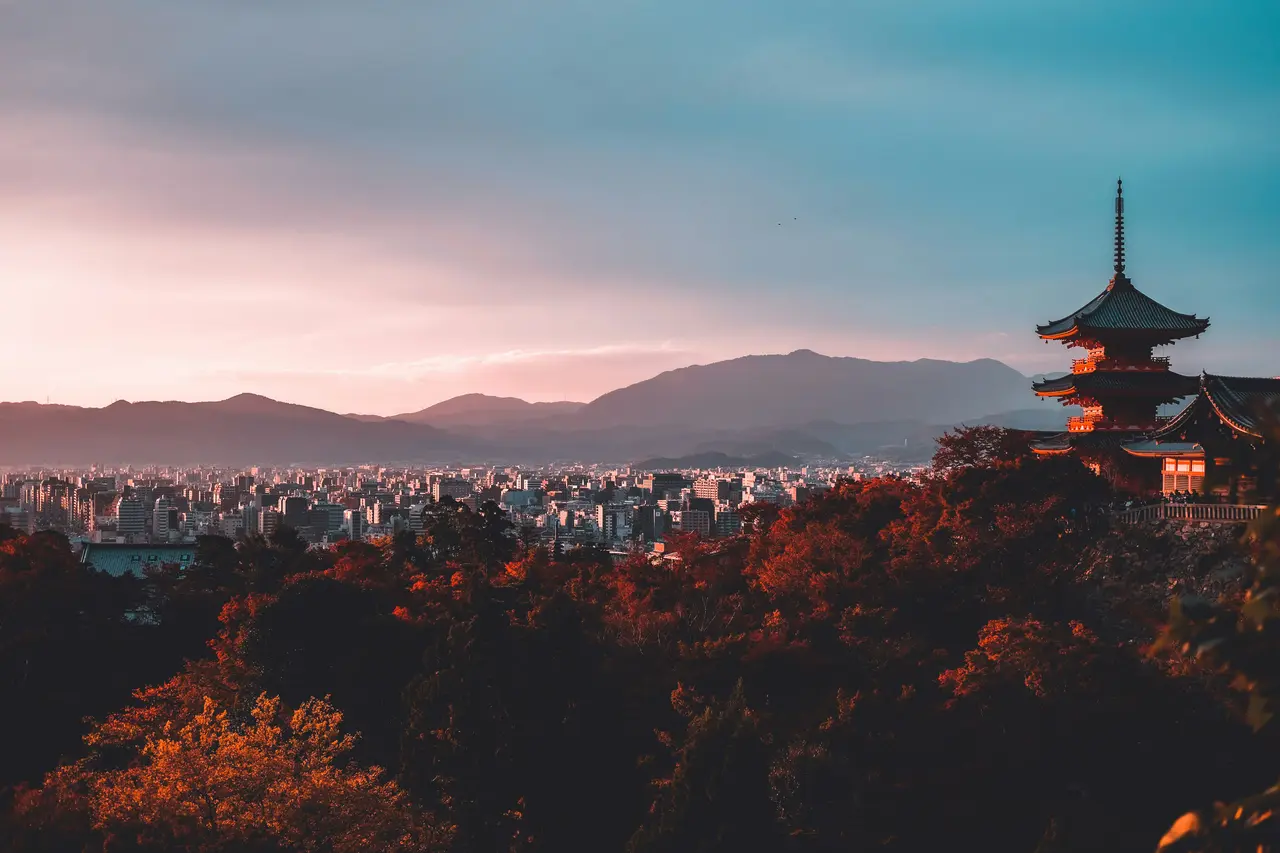
Japan sits near the top of almost every Indian traveller's wish list — and in 2027 it's more reachable than ever, with direct flights, an online e-Visa route, and bucket-list experiences packed into one safe, spotless, superbly organised country. This Japan travel guide for Indians brings together everything you actually need to plan the trip: the visa and e-Visa process, how to fly there from India, how much it really costs in rupees, when to go (cherry blossom versus autumn versus winter), vegetarian and Jain food, and a region-by-region plan so you don't try to cram the whole country into five days.
Short version: most Indians do Japan comfortably in 7–10 days, need a visa (there's no visa-free entry), fly direct from Delhi or Mumbai to Tokyo in roughly 7.5–9 hours, and spend around ₹1,50,000–2,50,000 per person including flights, depending on the season. It's not a budget trip like Southeast Asia — but it's worth every rupee. Here's the full picture.
Do Indians need a visa for Japan?
Yes — Indian passport holders need a visa to enter Japan, and there is no visa-on-arrival and no visa-free entry. The good news is you now have two routes, and both are more traveller-friendly than they used to be.
Japan e-Visa (online): Japan runs an official e-Visa for short-term tourism that Indian nationals can apply for online, typically when the trip is booked through a registered travel agency. You apply on the official government portal and receive a digital visa — no passport sticker and, in many cases, no in-person visit.
Embassy / VFS (traditional): you can still apply the conventional way through the Japanese embassy or consulate and its authorised visa application centre (VFS Global) in India. This route is well understood and widely used.
Cost: the Japanese government visa fee itself is low (a few hundred rupees), but service and agency charges add to the total — budget roughly ₹1,000–3,000 all-in. Treat this as indicative and confirm the current fee when you apply.
Processing time: usually around 5–7 working days once documents are in, but apply at least 3–4 weeks before travel, especially in peak season.
What you'll need: a passport valid for at least 6 months, passport-style photos, the application form, confirmed return flights and hotel bookings, a day-by-day itinerary, and financial proof such as bank statements and ITR. A simple cover letter explaining your trip helps.
Rules, fees and e-Visa eligibility do change, so always cross-check the latest requirements on our Japan visa requirements page before you apply. Keep printed copies of your approved visa, itinerary and hotel bookings to carry with you.
How to reach Japan from India
Getting there is straightforward from the big metros. There are direct flights to Japan from India, and the network has been improving each year.
Direct routes: Air India, Japan Airlines (JAL) and ANA operate direct flights from Delhi and Mumbai to Tokyo (Narita or Haneda). Routes and frequencies shift seasonally, so check what's flying from your city.
Flight time: roughly 7.5–9 hours non-stop from Delhi to Tokyo. From other Indian cities you'll usually connect through a hub such as Delhi, Singapore, Bangkok or Hong Kong.
Fares: return economy fares often land around ₹55,000–90,000 per person, higher during cherry blossom and autumn peaks, and cheaper if you book months in advance or travel in winter.
Which airport to land at: fly into Tokyo (Narita NRT or Haneda HND) for eastern Japan, or Osaka (Kansai KIX) for the Kyoto–Osaka side. On a classic trip, many travellers fly into Tokyo and out of Osaka (or vice versa) to avoid backtracking.
Best time to visit Japan
Japan has four very distinct seasons, and when you go changes the whole trip. There's no single "best month" — it depends on what you want to see.
Cherry blossom (sakura), late March to early April: the most famous and most magical season, when the country turns pink. It's also the busiest and priciest, so book flights, hotels and tours months ahead.
Autumn foliage (koyo), November: fiery red-and-gold maples, especially stunning in Kyoto. Arguably the most beautiful season after sakura, and slightly easier to plan.
Winter, December to February: snow-covered towns, steaming hot-spring (onsen) baths and world-class skiing in Hokkaido. Usually the best-value season and wonderful if you want a snowy escape — many Indian travellers love this for their first "real snow".
Summer, June to August: June is the rainy season; July–August are hot and humid but full of vibrant festivals and fireworks. Doable, but pack for the heat.
For most Indian travellers, spring (late March–April) and autumn (November) are the dream windows, while winter is the value pick for snow and onsen. Whatever you choose, book early — Japan's peak seasons sell out fast.
Money: currency, budget and costs in rupees
Japan's currency is the Japanese Yen (JPY), and roughly ₹1 is about 1.8 yen — or put the other way, ¥100 is around ₹56 (check the live rate before you go). A quick mental trick: take a yen price, halve it and knock off two zeros for a rough rupee figure (so ¥1,000 is about ₹560).
Japan is noticeably more expensive than Southeast Asia, but smart planning keeps it sensible. Here's what a typical trip costs an Indian traveller, per person, as a planning guide (season and style will move these numbers):
Flights (return, from India): around ₹55,000–90,000.
Visa: roughly ₹1,000–3,000 all-in, including service charges.
Hotels: clean, compact business hotels typically run ₹6,000–12,000 a night for a double; capsule hotels and hostels are cheaper, ryokan (traditional inns) and city 4–5 stars are more.
Food: you can eat very well for ₹1,500–3,500 a day — a konbini (convenience-store) breakfast, a ramen or set-meal lunch, and a nicer dinner.
Transport: factor in a Japan Rail Pass (a 7-day pass is roughly ¥50,000, about ₹28,000 after the 2023 price rise) or pay-as-you-go with a Suica/Pasmo IC card — work out which is cheaper for your route.
Activities and entries: temples, Mount Fuji day trips, theme parks and shows — budget ₹1,500–4,000 a day depending on what you do.
All in, a well-planned 7–8 day trip usually works out to ₹1,50,000–2,50,000 per person. Money tips: Japan is still fairly cash-based, so carry yen (7-Eleven and Japan Post ATMs reliably accept Indian cards), tap an IC card for trains and convenience stores, and remember there's no tipping anywhere in Japan.
Where to go: Japan region by region
The biggest mistake first-timers make is trying to see all of Japan in a week. The classic first trip follows the Golden Route — Tokyo to Kyoto and Osaka, with Mount Fuji in between. Here are the headline regions so you can pick what fits.
Tokyo and around
Japan's dazzling capital — neon-lit Shinjuku and Shibuya, ancient Asakusa temples, the serene Meiji Shrine, world-class food, shopping and day trips to Disney and Disney Sea. Most trips start here. Nearby Hakone and the Fuji Five Lakes give you hot springs and the iconic Mount Fuji views.
Kyoto and Nara
The cultural heart of Japan. Kyoto is all golden temples, the famous red torii gates of Fushimi Inari, geisha districts and the Arashiyama bamboo grove — at its most beautiful in cherry-blossom and autumn seasons. A short hop away, Nara is famous for its friendly free-roaming deer and giant Buddha.
Osaka
Japan's fun, food-loving city — the Dotonbori neon strip, Osaka Castle, and Universal Studios Japan. It's a great, lively base for the Kansai region and an easy fly-out point.
Beyond the Golden Route
With more time, add Hiroshima and Miyajima (the peace memorial and the famous floating torii gate), or head north to Hokkaido for snow, skiing and seafood in winter — think Sapporo and Niseko.
Food in Japan for Indians (including vegetarian and Jain)
Japanese food is fresh, precise and seafood-forward — sushi, ramen, tempura, and more. For Indian palates, and especially vegetarians, a little planning goes a long way, because this is harder than Southeast Asia.
Vegetarians: the catch is dashi (fish stock) and bonito flakes, which appear even in many "vegetable" dishes and broths. Seek out shojin ryori — Buddhist temple vegetarian cuisine, wonderful in Kyoto and Koyasan — plus vegetable tempura, inari sushi, tofu dishes, zaru soba (check the dipping sauce) and edamame.
Jain and no-onion-garlic travellers: this is genuinely tricky in regular restaurants. Lean on Indian restaurants and shojin ryori, carry a clear note in Japanese about your restrictions, and bring some ready food (theplas, snacks, ready-to-eat packs) from home as backup.
Indian food: Tokyo, Kyoto and Osaka all have good Indian restaurants, so you're never far from a familiar, fully-veg meal — handy for family trips with elders or kids.
Konbini and easy wins: convenience stores (7-Eleven, Family Mart, Lawson) are a lifesaver for onigiri rice balls, egg sandwiches, fruit and snacks — just check labels, as fish and meat hide in many items.
Practical tips for Indian travellers
Trains and the JR Pass: Japan's trains are famously fast and punctual. Decide early between a Japan Rail Pass (great value if you're doing Tokyo–Kyoto–Osaka by bullet train) and a pay-as-you-go Suica/Pasmo IC card for city travel.
SIM and internet: buy a tourist eSIM or rent a pocket Wi-Fi — data is essential for Google Maps and Translate, since English signage is limited outside big stations.
Cash culture: carry yen. Many small restaurants, temples and shops are cash-only; 7-Eleven and Japan Post ATMs accept Indian debit/credit cards.
Etiquette: no tipping, stay quiet on trains, don't eat while walking, remove shoes where indicated, and queue neatly. A small bow goes a long way.
Plugs and power: Japan uses Type A two-pin sockets at 100V; most Indian chargers work, but carry a universal adaptor to be safe.
Tax-free shopping: carry your passport while shopping — many stores offer tax-free purchases for tourists above a minimum spend.
Safety: Japan is one of the safest countries in the world, excellent for families, solo and first-time travellers; the usual care with belongings still applies.
Packing: layers for spring and autumn, serious warm clothing for winter and Hokkaido, and light breathable cottons for summer.
Suggested Japan itineraries from India
How many days you have decides how much of the country you can realistically enjoy.
7 days — the Golden Route: Tokyo, Mount Fuji/Hakone, Kyoto and Osaka. The perfect first-timer's loop. If you're travelling in spring, our cherry-blossom group tour Chase the Blossoms — Japan Edition is a ready-made way to hit the highlights in sakura season without planning the logistics yourself.
Winter special: swap the blossoms for snow, onsen and festive city lights with Japan Winter Wonderland — ideal if you want your first taste of real snow.
10–12 days: add Nara, Hiroshima and Miyajima, or extend north to Hokkaido for skiing and seafood, at a relaxed pace.
Prefer something built around your own dates, pace and budget? You can customise a Japan trip with us, or browse all our group tours to compare options.
Final word
Japan is the kind of trip Indian travellers remember for life — cherry blossoms and bullet trains, ancient temples and neon cities, snow and hot springs, all wrapped in a country that simply works. It costs more than a Southeast Asia break, so plan the season, sort the visa early, work out your rail pass, and learn the word shojin if you're vegetarian. When you're ready to plan it properly, talk to our Japan travel experts — we help Indian families, couples and friends plan this trip the right way.
Frequently Asked Questions
Do Indians need a visa to visit Japan?
Yes. Indian passport holders need a visa for Japan — there is no visa-on-arrival or visa-free entry. You can either apply through the official Japan eVisa portal (for short-term tourism, booked via a registered travel agency) or the traditional way through the Japanese embassy/consulate and its authorised visa centre (VFS). You'll need a passport valid 6+ months, photos, confirmed flights and hotels, a day-by-day itinerary, and financial documents like bank statements and ITR. Apply 3–4 weeks before travel.
How much does a Japan trip cost from India?
Japan is pricier than Southeast Asia. A well-planned 7–8 day trip usually costs around ₹1,50,000–2,50,000 per person, including return flights (roughly ₹55,000–90,000), the visa, business-hotel stays, a rail pass or IC-card travel, food and activities. Travelling in cherry blossom or autumn season, or in larger cities, pushes you to the higher end.
What is the best time for Indians to visit Japan?
The two showpiece seasons are cherry blossom (late March to early April) and autumn foliage (November) — both stunning but peak-priced, so book months ahead. Winter (December to February) is excellent for snow, onsen and skiing and is usually cheaper. June is the rainy season and July–August are hot and humid, though full of festivals.
Are there direct flights from India to Japan?
Yes. Air India, Japan Airlines (JAL) and ANA operate direct flights from Delhi and Mumbai to Tokyo (Narita/Haneda). Direct flying time is roughly 7.5–9 hours from Delhi. From other cities you'll usually connect via a hub like Delhi, Singapore, Bangkok or Hong Kong.
Is Japan good for vegetarians and Jain travellers?
It's manageable but needs planning. Japanese cooking uses dashi (fish stock) and bonito flakes even in many 'vegetable' dishes, so pure-veg isn't automatic. Rely on shojin ryori (Buddhist temple vegetarian cuisine), vegetable tempura, inari sushi, tofu dishes and the Indian restaurants in Tokyo, Kyoto and Osaka. Jain and no-onion-garlic travellers will find it harder and should lean on Indian restaurants and carry some food from home.
How many days do you need for Japan?
Most Indians do Japan in 7–10 days. Seven days covers the classic Golden Route — Tokyo, Mount Fuji/Hakone, Kyoto and Osaka. With 10–12 days you can add Nara, Hiroshima/Miyajima or a snow trip to Hokkaido. Japan's trains make it easy to cover ground, but don't rush — the country rewards a slightly slower pace.
Made it to the end?